
Future of Digital Advertising has transformed the way businesses reach their target audience. Unlike traditional advertising methods such as print, radio, and television, digital advertising offers precise targeting, real-time data analysis, and cost-effective marketing strategies. As technology continues to evolve, the Future of Digital Advertising has become an essential component of business growth.
With the rise of artificial intelligence, programmatic advertising, and social media platforms, businesses now have the opportunity to create personalized and interactive ads that capture user attention. In this blog, we will explore the evolution of digital advertising, its benefits, current trends, and what the future holds for advertisers.
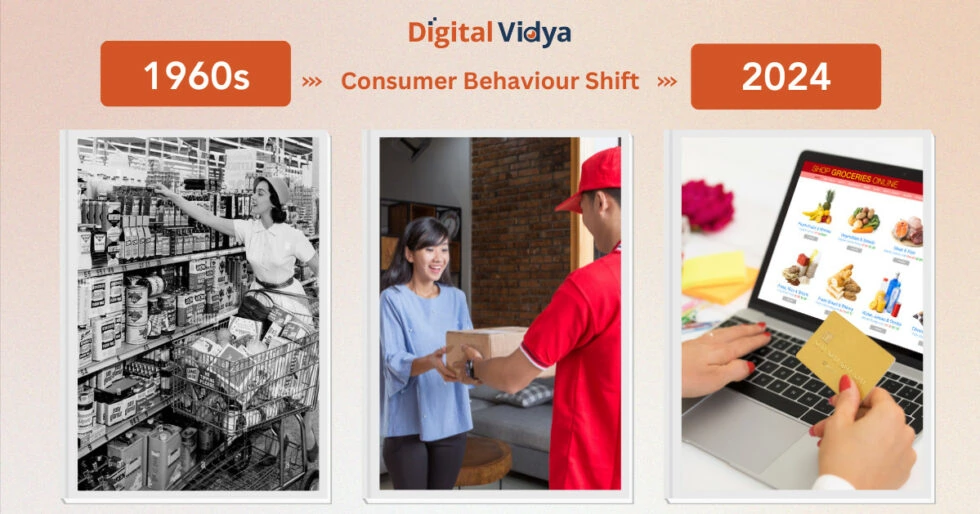
The Evolution of Digital Advertising
The journey of digital advertising began in the 1990s with the introduction of banner ads. The first-ever banner ad was launched by AT&T in 1994, marking the beginning of online advertising. Since then, digital advertising has grown rapidly, incorporating various formats such as search engine ads, social media ads, video ads, and influencer marketing.
With the development of Google AdWords (now Google Ads) in the early 2000s, pay-per-click (PPC) advertising gained popularity, allowing businesses to bid on keywords and appear at the top of search engine results. Social media platforms like Facebook, Instagram, LinkedIn, and Twitter introduced targeted advertising, enabling businesses to reach specific demographics based on interests, behaviors, and location.
Benefits of Digital Advertising
1. Precise Targeting
One of the biggest advantages of digital advertising is its ability to target the right audience. Businesses can use demographic data, user behavior, and interests to create highly relevant ads that increase engagement and conversions.
2. Cost-Effective Marketing
Compared to traditional advertising, digital advertising allows businesses to control their budget effectively. With options like PPC advertising, brands only pay when users click on their ads, making it a cost-efficient strategy.
3. Real-Time Performance Tracking
Digital advertising provides real-time analytics that help businesses measure the success of their campaigns. Metrics such as click-through rates (CTR), conversion rates, and return on ad spend (ROAS) allow advertisers to optimize their strategies instantly.
4. Enhanced Brand Awareness
With billions of users on social media and search engines, digital advertising increases brand visibility. Businesses can use display ads, video ads, and influencer collaborations to expand their reach and attract potential customers.
5. Higher Engagement Rates
Interactive ad formats like video ads, carousel ads, and immersive experiences help businesses capture user attention. Engaging ads encourage users to interact with the brand, leading to higher conversion rates.
Current Trends in Digital Advertising
1. Artificial Intelligence (AI) and Automation
AI-powered tools are revolutionizing digital advertising by automating ad placements, optimizing bidding strategies, and analyzing consumer behavior. Programmatic advertising, which uses AI to purchase and place ads in real-time, ensures better targeting and cost-efficiency.
2. Video Advertising Dominance
Video ads continue to be one of the most engaging formats in digital advertising. Platforms like YouTube, TikTok, and Instagram Reels are leading the way in short-form and long-form video content, making it essential for brands to invest in video marketing.
3. Social Commerce and Shoppable Ads
Social media platforms are integrating e-commerce features that allow users to shop directly through ads. Facebook Shops, Instagram Shopping, and TikTok’s e-commerce integration enable businesses to turn social media engagement into direct sales.
4. Privacy-First Advertising
With increasing concerns about user data privacy, companies like Google and Apple are implementing stricter policies on data tracking. The phase-out of third-party cookies means businesses need to rely more on first-party data and ethical advertising strategies.
5. Influencer Marketing Growth
Brands are leveraging influencers to promote their products authentically. Influencer marketing provides social proof and builds trust among consumers, making it a powerful digital advertising strategy.
The Future of Digital Advertising
1. The Rise of Augmented Reality (AR) and Virtual Reality (VR) Ads
AR and VR technologies are transforming digital advertising by offering immersive experiences. Brands can create virtual try-ons, interactive ads, and 3D product demonstrations to engage consumers in a more dynamic way.
2. Voice Search and Smart Assistants
With the growing popularity of smart devices like Amazon Alexa and Google Assistant, voice search advertising is becoming a key area for businesses. Marketers will need to optimize their ad content for voice searches to capture this audience.
3. Personalized and AI-Driven Advertising
AI will continue to enhance personalized marketing by analyzing user data and predicting consumer preferences. Businesses will use AI-driven chatbots, recommendation engines, and dynamic ad placements to deliver highly relevant advertisements.
4. Sustainable and Ethical Advertising
Consumers are becoming more conscious of sustainability and ethical practices. Brands that incorporate eco-friendly messaging and support social causes in their advertising will resonate better with modern consumers.
5. Expansion of Programmatic Advertising
Programmatic advertising will become more sophisticated, allowing businesses to automate ad buying, targeting, and optimization with minimal human intervention. This will improve efficiency and maximize ad performance.
Conclusion
Digital advertising has come a long way since its inception, and it continues to evolve with new technologies and consumer behaviors. Businesses that embrace AI, video marketing, social commerce, and ethical advertising will stay ahead in the competitive digital landscape.
As privacy regulations tighten and new advertising formats emerge, brands must adapt their strategies to ensure effective audience engagement. The future of digital advertising is dynamic, and staying updated with the latest trends will be crucial for long-term success.